Jeffrey Lionel Dahmer (May 21, 1960 – November 28, 1994) known as the Milwaukee Cannibal or the Milwaukee Monster was an American serial killer and sex offender who killed and dismembered seventeen men and boys between 1978 and 1991.
Early Life
Jeffrey Dahmer was born in Milwaukee, Wisconsin, to Lionel and Joyce Dahmer. From an early age, his home life was unstable due to frequent parental conflict and emotional neglect. He often felt isolated and insecure within his family environment.
At around age four, Dahmer underwent hernia surgery, after which his previously energetic personality reportedly became quieter and withdrawn. During childhood, his family moved frequently across Ohio, further disrupting stability.
Early Fascinations
As a child, Dahmer developed an unusual interest in dead animals and bones. He reportedly became fascinated after observing his father once removing animal remains from beneath their home. This curiosity grew into collecting insect and small animal skeletons, which he sometimes preserved in jars.
Encouraged by his father’s explanation of scientific preservation techniques, Dahmer experimented with bleaching and preserving bones. These early experiences later became relevant in his criminal behavior.
Adolescence
By his teenage years, Dahmer was increasingly isolated at school, where he was seen as eccentric and socially withdrawn, though sometimes humorous and attention-seeking. He began drinking alcohol heavily while still in school.
He also began to recognize his sexual attraction to males but did not disclose this to his family. Over time, his fantasies became more focused on control, dominance, and emotional isolation of a partner.
He admitted later that during his teenage years, he fantasized about controlling an unconscious partner. He also acknowledged a failed attempt to attack a jogger in his youth, which he described as his first intention to harm someone.
Despite his internal struggles, Dahmer graduated high school in 1978. Shortly afterward, his parents divorced, and family instability increased further.
Murders
Murder of Steven Hicks (First murder)
Three weeks after graduating, Dahmer carried out his first murder. Steven Mark Hicks, an 18-year-old hitchhiker, was picked up by Dahmer on June 18. In exchange for “a few beers” with Dahmer, who had the house to himself, Hicks, who had been hitchhiking to a rock performance at Chippewa Lake Park, agreed to go with him.
Dahmer explains that he was aroused by the sight of the bare-chested Hicks by the side of the road, even though he knew that any sexual advances he made would be rejected when Hicks started talking about girls. After talking, drinking, and listening to music for several hours Hicks “wanted to leave and I didn’t want him to leave”. Dahmer used a 10-pound (4.5 kg) dumbbell to beat Hicks. He later claimed that when Hicks was sitting on a chair, he struck him twice from behind with the dumbbell.
After Hicks passed out, Dahmer used the dumbbell’s bar to choke him to death. He then undressed Hicks of his clothes, examined his chest with his hands, and masturbated while standing above thecorpse. Dahmer dragged the body to the basement a few hours later.
Dahmer dissected Hicks’s body in the basement the next day. The corpse was later buried in a shallow grave in his backyard. He unearthed the remains and removed the meat from the bones a few weeks later. Dahmer used a sledgehammer to shatter the bones and dispersed them in the forest behind the family house after dissolving the flesh in acid and then flushing the mixture down the toilet. From the West Bath Road Bridge, he tossed Hicks’s necklace and the knife that was used to dismember him into the Cuyahoga River.
College and Army
When Dahmer’s father and fiancée came to his house six weeks after Hicks was killed, they found Dahmer living alone. Dahmer enrolled at Ohio State University (OSU) in August of that year with the intention of majoring in business.
Thanks to his ongoing alcoholism, Dahmer’s one and only semester at OSU was utterly unsuccessful. His grades were all poor except one course he was good at,which is Riflery, earning a B−. He had a 0.45/4.0 total GPA.
When Lionel once made his son a surprise visit, he discovered empty booze bottles all around his dorm room. Dahmer left OSU after just three months, even though his father had paid for the second term in advance.
Dahmer joined the US Army in January 1979 at his father’s insistence. Prior to receiving medical specialized training at Fort Sam Houston in San Antonio, Texas, he completed basic training at Fort McClellan in Anniston, Alabama. At Fort Sam Houston, he received occasional reprimands for being drunk. Dahmer was severely beaten by his fellow recruits after one incidence of insubordination led to the punishment of his entire unit.
Dahmer was sent to Baumholder, West Germany, on July 13, 1979, to work as a combat medic in the 2nd Battalion, 68th Armored Regiment, 8th Infantry Division. Public records state that Dahmer was a “average or slightly above average” soldier during his first year of service.
Dahmer’s performance declined as a result of his alcoholism, and he was later released from the Army in March 1981 after it was determined that he was unfit for military duty. Because his superiors did not think that Dahmer’s issues in the Army would apply to civilian life, he was honorably discharged.
On March 24, 1981, Dahmer was transported to South Carolina for debriefing and given an airline ticket to anyplace in the US. Dahmer eventually told authorities that he was unable to return home to face his father, so he chose to fly to Miami Beach, both because he was “tired of the cold” and in an attempt to live independently. In Florida, Dahmer found job in a delicatessen and rented a room at a nearby motel. He spent the majority of his paycheck on alcohol and was eventually booted from the hotel for nonpayment. Dahmer spent his evenings on the beach before calling his father and begging to return to Ohio.
Return to Ohio and relocation to West Allis, Wisconsin
After returning to Ohio, Dahmer originally lived with his father and stepmother, and insisted on being assigned various chores to keep him busy while he sought for job. He continued to drink frequently, and two weeks later, he was arrested for drunk and disorderly conduct. He received a $60 fine and a suspended 10-day prison term. Dahmer’s father tried unsuccessfully to wean his son from drinking. In December 1981, his father sent him to live with Catherine Dahmer, his paternal grandmother, in West Allis, Wisconsin. She was the only family member to whom Dahmer expressed positive affection.
Initially, Dahmer’s life with his grandmother was relatively stable. He attended church with her, did chores, looked for work, and mostly followed house rules, though he still drank and smoked. In 1982, he worked as a phlebotomist at a blood plasma center for about ten months before being laid off, after which he remained unemployed for over two years and depended on his grandmother financially.
During this period, he was also arrested for indecent exposure in 1982 at the Wisconsin State Fair Park and was fined. In 1985, he found work at a chocolate factory on night shifts. Around this time, an encounter at a library and exposure to Milwaukee’s gay scene reportedly intensified his fantasies. He also stole a mannequin for sexual purposes, which his grandmother later discovered and made him discard.
By late 1985, Dahmer began regularly visiting bathhouses, which he later described as “relaxing,” though he became frustrated when partners moved during sex. He later admitted he started seeing people as “objects of pleasure,” and in June 1986 began drugging partners with sedatives in alcohol so they would remain unconscious. He obtained the medication by telling doctors he worked night shifts. After multiple incidents, he was banned from bathhouses and continued the behavior in hotel rooms.
Around the same time, he read about an upcoming funeral and considered digging up a recently buried body, but abandoned the attempt due to hard ground.
In September 1986, he was arrested for indecent exposure involving two boys near the Kinnickinnic River. He first claimed he was urinating but later admitted the act. The charge was reduced to disorderly conduct, and in 1987 he received probation and was ordered to attend counseling.
Contiuning Murders
In November 1987, Dahmer met 25-year-old Steven Tuomi at a bar and brought him to a room at the Ambassador Hotel. He later claimed he intended only to drug him and be with him, not kill him, but the next morning Tuomi was found dead with severe injuries. Dahmer said he had no memory of the incident.
He then bought a suitcase and transported the body to his grandmother’s home, where he dismembered it about a week later. He separated the body into parts, disposed of most remains in garbage bags, and attempted to destroy the bones.
Dahmer kept Tuomi’s head for about two weeks before boiling it in chemicals in an attempt to preserve the skull, which he later used before eventually disposing of it.
After Tuomi’s death, Dahmer later claimed he stopped trying to control his urges and began actively seeking victims, often meeting them near gay bars and bringing them to his grandmother’s home. He typically drugged them with sedatives during or after sexual activity and then strangled them once they were unconscious.
In early 1988, he killed 14-year-old James Doxtator after luring him with money for nude photos, then drugging and strangling him in the basement. He dismembered the body days later and disposed of most remains, later destroying the skull after attempting to preserve it.
In March 1988, he met Richard Guerrero outside a bar, brought him home under similar pretenses, drugged and strangled him, and again dismembered the body within a day, disposing of most remains while briefly keeping the skull before destroying it.
In April 1988, Dahmer drugged Ronald Flowers Jr. after luring him home under false pretenses. However, his grandmother unexpectedly called while Flowers was there, and Dahmer ultimately decided not to kill him. Flowers later woke up in a hospital with injuries and confusion about what had happened.
In September 1988, Dahmer’s grandmother asked him to move out due to his behavior and suspicious activity in the house. He moved into an apartment shortly after, but was arrested two days later for drugging and sexually assaulting a 13-year-old boy he had invited over.
He underwent psychological evaluations, which noted feelings of alienation and impulsive behavior, along with a previous diagnosis of schizoid personality disorder. In January 1989, he pleaded guilty to charges of sexual assault and enticing a child, with sentencing delayed until later that year.
In March 1989, Dahmer met 24-year-old Anthony Sears at a gay bar and brought him to his grandmother’s home. He later said he did not initially intend to commit a crime, but ended up drugging and strangling Sears after they were together.
The next day, he dismembered the body in the bathtub, removed the flesh, and disposed of most remains. Unlike previous victims, he kept Sears’ head and genitalia, preserving them in chemicals and storing them in a box, which he later moved between locations.
On May 23, 1989 Dahmer was sentenced to five years’ probation and one year in the House of Correction, with work release permitted so he could keep his job. He was also required to register as a sex offender.
Two months before his scheduled release, Dahmer was paroled from this regimen.
Dahmer temporarily moved back to his grandmother’s home in West Allis.
Oxford Apartments 1990 murders
In May 1990, Dahmer moved out of his grandmother’s home and into Apartment 213 at 924 North 25th Street in Milwaukee, bringing with him preserved remains from Anthony Sears. The apartment was modest but convenient for his work and cheap enough to maintain, and it would become the main location of his later crimes.
Within a week of moving in, he met Raymond Smith, a 32-year-old man he lured to the apartment with the promise of money for sex. Once inside, Dahmer drugged him with a drink containing sleeping pills and then strangled him. After Smith’s death, Dahmer began a more methodical process: he took Polaroid photographs of the body, dismembered it in the bathroom, and used chemical and boiling methods to strip flesh from bone. He later dissolved much of the remaining skeleton in acid, while keeping the skull. Smith’s skull was spray-painted and stored alongside other preserved remains.
Shortly after this murder, Dahmer attempted to repeat the same pattern with another man. However, he accidentally consumed the drugged drink himself and fell unconscious. When he woke up the next day, he discovered that the man had stolen money, clothing, and a watch from his apartment. Although shaken by the incident, Dahmer did not report it to the police, but he did later mention the robbery to his probation officer.
In June 1990, Dahmer brought 27-year-old Edward Smith to his apartment, where he drugged and strangled him. After the killing, he changed his usual process, placing the skeleton in a freezer for months in an attempt to preserve it and reduce moisture before further treatment. However, the method failed, and he later acidified the remains anyway.
While trying to dry the skull using heat, it was damaged and ultimately destroyed. Dahmer later told police he felt “rotten” about this murder because he was unable to preserve any part of Smith’s body.
Less than three months after Edward Smith’s murder, Dahmer met 22-year-old Ernest Miller outside a bookstore and lured him to his apartment for money. Miller agreed to accompany him and allowed Dahmer to examine his body, but when Dahmer attempted sexual contact, Miller demanded additional payment. Dahmer then drugged him with sleeping pills.
Because he had an insufficient amount of sedatives, Dahmer killed Miller by slashing his carotid artery. He died within minutes. Dahmer then photographed the body, posed it, and placed it in the bathtub to dismember it. During the process, he reportedly spoke to and kissed the severed head while continuing the dismemberment.
After Miller’s murder, Dahmer dismembered the body and stored parts of the organs and flesh in his freezer. He later boiled the remains into a gelatin-like substance to strip flesh from the bones, which he then cleaned and preserved. He also treated the skull, initially refrigerating it before cleaning, painting, and coating it.
About three weeks later, he met David Thomas and brought him to his apartment under the same pretense of money and photos. After drugging him, Dahmer said he was not particularly attracted to him, but killed him to prevent him from waking up angry or causing trouble. He dismembered the body but kept no remains, though he documented the process with photographs.
After this, Dahmer did not kill again for several months, though he repeatedly tried and failed to lure new victims. During this period, he reported increasing anxiety, depression, isolation, financial stress, and occasional suicidal thoughts to his probation officer.
1991 murders
In February 1991, Jeffrey Dahmer lured 17-year-old Curtis Straughter to his apartment under the pretense of paying for nude photos, subsequently drugging and strangling him before dismembering the body. Dahmer retained Straughter’s skull, hands, and genitals, documenting the dismemberment. Less than two months later, Dahmer encountered 19-year-old Errol Lindsey, whom he drugged and experimented on by injecting hydrochloric acid into his skull. After Lindsey awoke and expressed discomfort, Dahmer killed him as well, decapitating and flaying the body while attempting to preserve the skin before ultimately discarding it due to deterioration.
By 1991, neighbors at the Oxford Apartments frequently complained to the building manager about strong foul odors, along with strange noises coming from Dahmer’s apartment. Dahmer explained the smells as a broken freezer or dead fish, and the complaints were not escalated further at the time.
On May 24, 1991, he met 31-year-old Tony Hughes at a nightclub and lured him to his apartment with a promise of money for photos. Hughes was drugged into unconsciousness, and Dahmer attempted to drill into his skull and inject hydrochloric acid in an effort to control him, but the procedure proved fatal.
On May 26, 1991, Jeffrey Dahmer encountered 14-year-old Konerak Sinthasomphone on Wisconsin Avenue. Unbeknownst to Dahmer, Sinthasomphone was the younger brother of a boy Dahmer had previously molested in 1988. Dahmer persuaded Sinthasomphone, initially reluctant, to accompany him to his apartment for Polaroid pictures. After posing for two pictures in his underwear, Dahmer drugged him into unconsciousness and performed oral sex on him. Before losing consciousness, Sinthasomphone was led into Dahmer’s bedroom, where the naked body of Tony Hughes, whom Dahmer had killed three days prior, lay on the floor. Dahmer claimed that he believed Sinthasomphone saw the corpse but did not react, likely due to the effects of the sleeping pills he had taken.
On May 27, Dahmer injected hydrochloric acid into Sinthasomphone’s skull, then consumed several beers while lying next to him before leaving for a bar. Later, he found Sinthasomphone naked on the street, conversing in Lao with three concerned women who had called the police. Dahmer claimed to officers John Balcerzak and Joseph Gabrish that Sinthasomphone was his boyfriend and that his behavior was due to excessive drinking after a quarrel, explaining that he had consumed Jack Daniel’s whiskey that evening.
In a tense incident involving three women and police officers, the women expressed frustration when attempting to alert the officers that Sinthasomphone was injured and in a compromised state, including blood on his testicles and rectal bleeding. Despite this, the officers, having seen only a knee scrape and suspecting intoxication, dismissed the women’s concerns with harsh commands to remain silent. Following the police’s arrival, members of the Milwaukee Fire Department also assessed Sinthasomphone and suggested he needed medical care. However, the police instructed the fire personnel to leave the scene. Officer Richard Porubcan later arrived and, along with his colleagues, escorted both Dahmer and Sinthasomphone to Dahmer’s apartment, during which Dahmer commented positively about the police and the local crime issues.
Inside his apartment, Jeffrey Dahmer attempted to substantiate his claim of a romantic relationship with Sinthasomphone by presenting officers with two semi-nude Polaroid photos of Sinthasomphone. While officer Balcerzak reported no unusual smells, officer Gabrish detected an odor resembling excrement, which originated from the decomposing body of victim Hughes. Dahmer claimed that one officer merely peered into the bedroom without conducting a thorough investigation. The officers eventually left, categorizing the situation as a “domestic dispute” and advising Dahmer to care for Sinthasomphone. Following their departure, Dahmer administered a fatal second injection of hydrochloric acid into Sinthasomphone’s brain. On May 28, he took a leave from work to dismember the bodies of both victims and retained their skulls.
On June 30, Jeffrey Dahmer traveled to Chicago, where he met 20-year-old Matt Turner at a bus station. Turner accepted Dahmer’s offer for a photo shoot in Milwaukee, where Dahmer drugged, strangled, and dismembered him, storing his head and internal organs in plastic bags in the freezer. Turner’s disappearance went unreported. Five days later, on July 5, Dahmer lured 23-year-old Jeremiah Weinberger from a Chicago bar. After drugging him, Dahmer injected boiling water into Weinberger’s skull, leading to a coma and subsequent death two days later.
On July 15, Dahmer met 24-year-old Oliver Lacy, who was persuaded to pose for nude photographs. After engaging in sexual activity, Dahmer drugged Lacy, attempting to make him unconscious with chloroform. Dahmer subsequently strangled Lacy, engaged in sexual acts with the corpse, dismembered him, and stored parts of him in the refrigerator and freezer. Following the news of his job dismissal on July 19, Dahmer enticed 25-year-old Joseph Bradehoft to his apartment. After strangling Bradehoft, Dahmer left the body covered on his bed for two days, finding it infested with maggots upon uncovering it. He decapitated Bradehoft, cleaned the head, and preserved it in the refrigerator, later acidifying the torso alongside two other victims from the preceding month.
Arrest
On July 22, 1991, Jeffrey Dahmer invited three men to his apartment under the pretense of taking nude photographs and drinking beer, offering them $100 each. Only Tracy Edwards, 32, agreed to go with him. Upon entering, Edwards noticed a foul smell and boxes of hydrochloric acid, which Dahmer claimed were for cleaning. During their interaction, Dahmer attempted to handcuff Edwards, who responded with confusion. After being led to the bedroom, Edwards saw nude male posters and a strong odor coming from a blue 57-gallon drum. Dahmer then brandished a knife, intending to take nude pictures, but as Edwards tried to negotiate for the removal of the handcuffs, Dahmer became distracted, rocking back and forth and chanting. He then laid his head on Edwards’s chest, simultaneously pressing the knife against him, and ominously stated his intention to eat Edwards’s heart.
Edwards attempted to escape from Jeffrey Dahmer by feigning friendship and waiting for an opportune moment. When he asked to use the bathroom during their time together, he seized the chance when Dahmer became distracted. After ensuring that Dahmer was not holding the handcuffs, Edwards assaulted him, knocking him off balance, and fled through the front door. Later, at 11:30 p.m. on July 22, Edwards approached two police officers, showing them the handcuff attached to his wrist and explaining that a “freak” had restrained him. The officers followed Edwards to Dahmer’s apartment, where Dahmer admitted to placing the handcuffs on him without providing a reason. Edwards informed the officers that Dahmer had threatened him with a knife in the bedroom, leading to a tense encounter as Dahmer attempted to retrieve the key to the handcuffs from the bedroom, prompting a warning from one of the officers.
In the investigation of Jeffrey Dahmer’s apartment, Officer Mueller discovered alarming evidence of criminal activity. Under the bed, he found a large knife, and an open drawer contained numerous Polaroid pictures depicting human bodies in various states of dismemberment, suggesting they were taken within the same apartment. Attempting to show these disturbing images to his partner, Mueller expressed disbelief by stating, “These are for real.”
Upon seeing the Polaroids, Dahmer resisted arrest, leading to a physical struggle with the officers, who quickly subdued him and called for backup. While searching Dahmer’s refrigerator, Mueller uncovered the freshly severed head of a black male, intensifying the gravity of the situation. Lying restrained on the floor, Dahmer reportedly remarked, “For what I did I should be dead.”
Further examination by the Milwaukee police’s Criminal Investigation Bureau unveiled a chilling collection: four severed heads in the kitchen, seven skulls—some painted and others bleached—in the bedroom and a closet. Investigators also found blood drippings on a tray in the refrigerator, two human hearts, and a portion of arm muscle, all wrapped in plastic. The freezer contained a complete torso, along with a bag of human organs and flesh frozen to the ice at the bottom.
Investigators at Apartment 213 found two complete skeletons, severed hands, preserved penises, a mummified scalp, and three dismembered torsos dissolving in acid within a 57-gallon drum. Additionally, 74 Polaroid images depicting the dismemberment of victims were recovered. The chief medical examiner remarked that the scene resembled dismantling a museum rather than a typical crime scene.
Beginning on July 23, 1991, Jeffrey Dahmer was interrogated by Detective Patrick Kennedy, resulting in over 60 hours of interviews and a 178-page confession. He waived his right to legal representation, expressing a desire to confess to the murders he committed. Dahmer admitted to killing sixteen young men in Wisconsin since 1987, plus one in Ohio in 1978. Most victims were rendered unconscious before murder, and some had acid or boiling water injected into their brains. Dahmer noted a lack of memory regarding the murder of his second victim, Steven Tuomi, and described a ritualistic practice of posing victims’ bodies before dismemberment.
Dahmer admitted to necrophilia and dismemberment of his victims, beginning by draining blood from their bodies into his bathtub. He removed internal organs and retained specific bones, using Soilax and bleach for preservation. He confessed to consuming parts of three victims and intended to prepare meals with body parts, tenderizing them and adding condiments. Dahmer cited “curiosity” and the desire to feel his victims as a permanent part of him as reasons for his actions.
Jeffrey Dahmer described a compulsion to kill, stating he was “completely swept along” by an incessant desire for beautiful companions. He revealed plans to create a private altar using the skulls and skeletons of his victims, intending to place it on a black table in his living room. This display would feature incense and a blue lamp, with Dahmer sitting in a black leather chair nearby. In an interview, he stated the altar was dedicated to himself, serving as a meditation space from which he believed he could draw power.
On July 25, 1991, Jeffrey Dahmer was charged with four counts of first-degree murder, followed by eleven additional charges related to murders in Wisconsin by August 22. Investigators in Ohio later found bone fragments linked to Dahmer’s first victim, Steven Hicks, leading to a formal charge of Hicks’s murder on September 17. Dahmer was not charged with the attempted murder of Edward or the murder of Tuomi, as there was insufficient evidence and Dahmer had no recollection of Tuomi’s murder. During a preliminary hearing on January 13, 1992, he pleaded guilty but insane to 15 counts of murder.
Trial
Dahmerovo suđenje započelo je 30. januara 1992. godine u Milwaukeeju po 15 tačaka optužnice za ubistvo prvog stepena nakon što se 13. januara izjasnio krivim, odričući se prava na osporavanje krivice. Poseban fokus suđenja bio je na tome da li je Dahmer imao mentalni poremećaj ili poremećaj ličnosti. Tužilaštvo je tvrdilo da bilo kakvi poremećaji nisu umanjili njegovu sposobnost da razumije svoje postupke, dok je odbrana tvrdila da je patio od mentalne bolesti koja je uticala na njegovu kontrolu nad impulsima, prvenstveno njegovom nekrofilskom kompulzijom. Vještaci odbrane svjedočili su da je Dahmerovo mentalno stanje dovelo do njegove nesposobnosti da prilagodi svoje ponašanje, dok je psihijatar tužilaštva tvrdio da je Dahmer bio proračunat i da je razlikovao dobro od zla, uprkos priznavanju njegove parafilije. Na kraju, suprotstavljeni pogledi na Dahmerovo mentalno zdravlje bili su ključni za argumente na suđenju. Dana 12. februara, forenzički psihijatar Park Dietz svjedočio je da Jeffrey Dahmer nije imao mentalnu bolest ili defekt tokom svojih zločina, naglašavajući da je Dahmerovo pedantno planiranje ukazivalo na premeditirane radnje, a ne na impulsivne. Dietz je raspravljao o Dahmerovoj upotrebi alkohola kao sredstvu za prevazilaženje inhibicija protiv ubijanja i identifikovao ga sa likovima iz filmova kao što su The Exorcist III i Return of the Jedi. Dijagnostikovao je Dahmeru poremećaj upotrebe supstanci, parafiliju i shizotipni poremećaj ličnosti. Drugi stručnjaci, forenzički psihijatar George Palermo i klinički psiholog Samuel Friedman, ponudili su dodatne perspektive. Palermo je sugerisao da Dahmerova ubistva potiču iz mržnje prema samom sebi u vezi sa njegovom homoseksualnom privlačnošću i dijagnostikovao je teški mješoviti poremećaj ličnosti, ali ga je proglasio pravno uračunljivim. Nasuprot tome, Friedman je okarakterisao Dahmera kao ljubaznog i šarmantnog, pripisujući njegove postupke čežnji za društvom, na kraju mu dijagnostikujući poremećaj ličnosti sa graničnim i sadističkim crtama. Suđenje je trajalo dvije sedmice, a završilo se 14. februara završnim riječima oba advokata. Advokat odbrane Gerald Boyle naglasio je da su Dahmerova kompulzivna ubistva posljedica mentalne bolesti, prikazujući ga kao duboko bolesnog i usamljenog pojedinca koji nije mogao kontrolisati svoje postupke. Nasuprot tome, tužilac Michael McCann opisao je Dahmera kao uračunljivog i pod kontrolom, tvrdeći da je ubijao kako bi dominirao svojim žrtvama i zadržao njihova tijela radi dugotrajnog seksualnog zadovoljstva. McCann je tvrdio da je Dahmerova tvrdnja o neuračunljivosti bila pokušaj izbjegavanja odgovornosti za svoje zločine. Dana 15. februara, sud se ponovo sastao kako bi objavio da je Dahmer proglašen uračunljivim i da nije patio od mentalnog poremećaja tokom izvršenja 15 ubistava za koja mu se sudilo, uprkos neslaganju dvojice porotnika. Formalno izricanje kazne odloženo je do 17. februara, kada je Dahmer izrazio želju da govori. Pročitao je pripremljenu izjavu, tvrdeći da nikada nije želio slobodu nakon hapšenja i izrazio želju za sopstvenom smrću. Dahmer je pojasnio da njegova ubistva nisu bila motivisana mržnjom, priznao je nepopravljivu štetu koju je nanio porodicama žrtava i Milwaukeeju, i pripisao svoje kriminalne radnje mentalnim poremećajima koji su mu davali određeni mir. Prihvatio je punu odgovornost i zatražio da mu se ne ublaži kazna. Dahmer je dobio kaznu doživotnog zatvora plus deset godina za prve dvije tačke, dok je za preostalih trinaest tačaka dobio doživotni zatvor plus sedamdeset godina. Smrtna kazna nije bila opcija zbog ukidanja smrtne kazne u Wisconsinu 1853. godine. Njegovim roditeljima, Lionelu i Shari, odobren je desetominutni privatni sastanak s njim prije prebacivanja u popravnu ustanovu Columbia, gdje su se emotivno oprostili. Tri mjeseca kasnije, Dahmer je izručen Ohiju kako bi mu se sudilo za ubistvo njegove prve žrtve, Stevena Hicksa. Na kratkom sudskom ročištu izjasnio se krivim, što je rezultiralo 16. kaznom doživotnog zatvora 1. maja 1992. godine.
Život u zatvoru
Nakon izricanja kazne, Jeffrey Dahmer je prebačen u popravnu ustanovu Columbia gdje je prvu godinu proveo u samici iz sigurnosnih razloga. Tokom tog vremena, primao je korespondenciju i novčane donacije od pojedinaca iz cijelog svijeta, koje je koristio za kupovinu predmeta poput kaseta i časopisa. Nakon godinu dana, premješten je u manje sigurnu jedinicu, raspoređen na dnevni dvosatni radni zadatak koji je uključivao čišćenje toaleta, a kasnije i teretane. Godine 1991., ubrzo nakon priznanja, Dahmer je zatražio Bibliju i postepeno prihvatio kršćanstvo, kasnije postavši nanovo rođeni kršćanin uz pomoć Roya Ratcliffa, pastora kojeg je upoznao u aprilu 1994. godine. Ratcliff je krstio Dahmera u zatvorskom đakuziju, a redovno su razgovarali o vjeri i njegovim prošlim postupcima. U jednom intervjuu, Dahmer je izrazio osjećaj uzaludnosti u mijenjanju svog ponašanja bez vjere u Boga. Dahmer se suočio sa incidentom opasnim po život 3. jula 1994. godine, kada je kolega zatvorenik Osvaldo Durruthy pokušao da mu prereže grlo žiletom skrivenim u četkici za zube tokom crkvene službe, ostavljajući Dahmera sa površinskim ranama. Uprkos nasilju koje ga je okruživalo, Dahmer je navodno prihvatio svoju sudbinu u zatvoru i održavao komunikaciju sa svojom porodicom, uključujući majku Joyce, koja je izrazila zabrinutost za njegovo blagostanje. Dahmer je, međutim, često odgovarao ravnodušnošću, ukazujući da ga nije briga ako mu se nešto desi.
Smrt
Dana 28. novembra 1994. godine, Jeffreyja Dahmera ubio je kolega zatvorenik Christopher Scarver tokom nenadziranog radnog zadatka u zatvorskoj teretani. Scarver, koji je služio doživotnu kaznu za ubistvo, koristio je metalnu šipku od 20 inča da prebije Dahmera i zatvorenika Jessea Andersona, koji je kasnije umro od sličnih povreda. Scarver je tvrdio da je postupio impulsivno, rekavši: “Bog mi je rekao da to uradim”, nakon povratka u svoju ćeliju poslije napada. Dahmerove posljednje riječi odražavale su ravnodušnost prema njegovoj sudbini. Reakcija na njegovu smrt bila je različita; dok su neke porodice žrtava izrazile tugu što je Dahmer sada oslobođen patnje, drugi su slavili vijest. Scarver je dobio dvije dodatne doživotne kazne za ubistva. Dahmerovi posmrtni ostaci su kremirani prema njegovoj oporuci, uz sporove između njegovih roditelja u vezi sa zadržavanjem njegovog mozga za istraživanje, koji je na kraju također kremiran.
Posljedice
Posljedice zločina Jeffreyja Dahmera u Milwaukeeju privukle su značajnu pažnju, obilježene bdijenjem uz svijeće 5. avgusta 1991. godine, kojem je prisustvovalo preko 400 ljudi, uključujući lidere zajednice i aktiviste, s ciljem iscjeljenja lokalne zajednice. Rasne tenzije u Milwaukeeju su već bile visoke, pogoršane Dahmerovim postupcima i ponašanjem policije, posebno u vezi sa žrtvom Konerakom Sinthasomphoneom. Gej zajednica u gradu, koja je u to vrijeme bila uglavnom podzemna, iskusila je pojačan strah i nepovjerenje, ali to je bilo kratkog vijeka kako su 1990-e odmicale. Oxford Apartments, mjesto dvanaest Dahmerovih ubistava, srušeni su 1992. godine, ostavljajući područje kao praznu parcelu sa neuspjelim prijedlozima za njegovu obnovu. Dahmerova imovina dodijeljena je porodicama jedanaest žrtava koje su podnijele tužbe protiv njega; njegovi posjedi izazvali su kontroverzu kada su planirani za aukciju. Građanska grupa, Milwaukee Civic Pride, prikupila je sredstva za kupovinu i uništavanje ovih predmeta, što je rezultiralo njihovim zakopavanjem na neotkrivenoj deponiji u Illinoisu. Pravne radnje su nastavljene nakon Dahmerove smrti, uključujući tužbu iz 1995. godine protiv njegovog uslovnog službenika zbog nemara u vezi sa nadzorom nad Dahmerom, koja je odbačena. Lionel Dahmer, Jeffreyjev otac, objavio je “A Father’s Story” 1994. godine, donirajući dio prihoda porodicama žrtava, iako je to također dovelo do tužbi nekih porodica zbog neovlaštene upotrebe imena. Lionel je živio sa svojom drugom suprugom do 2023. godine i preminuo je u decembru 2023. Joyce Flint, Jeffreyjeva majka, umrla je od raka 2000. godine nakon problematičnog života, uključujući pokušaj samoubistva. Dahmerov brat, David, promijenio je prezime i odlučio živjeti anonimno.
Kulturni uticaj
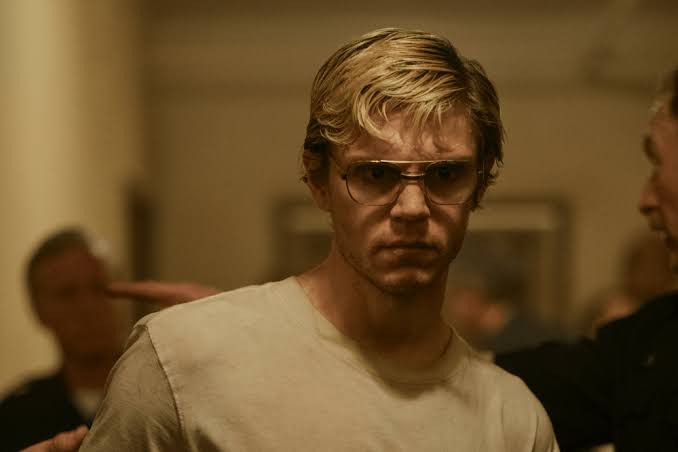
Priča o Jeffreyju Dahmeru je široko obrađena u knjigama, dokumentarcima, filmovima i televizijskim serijama. Neki od najznačajnijih prikaza uključuju: * The Jeffrey Dahmer Files (dokumentarni film iz 2012.) * My Friend Dahmer (film iz 2017.) * Netflix serija Dahmer – Monster: The Jeffrey Dahmer Story (2022.) * Brojni dokumentarci o istinitim zločinima i istraživačke knjige