The Social Crisis of Victorian London (Early–Mid 1800s)
In the mid-nineteenth century, England experienced rapid industrialization, which dramatically reshaped its cities—especially London. As factories expanded and job opportunities increased, people from rural areas and other countries migrated to the capital in search of work. Among them were large numbers of Irish immigrants escaping famine and poverty, as well as Jewish refugees fleeing violent pogroms in Eastern Europe. Many of these new arrivals settled in the East End of London, particularly in the district of Whitechapel.
By the 1880s, Whitechapel had become one of the most overcrowded and impoverished areas in the city. Around 80,000 people were crammed into a space far too small to support such a population. Housing conditions were extremely poor, with entire families often sharing a single room. Basic sanitation was lacking, leading to widespread disease and high mortality rates. It is estimated that approximately 55% of children born in the East End died before reaching the age of five.
Economic hardship was severe, and steady employment was difficult to secure. Many individuals relied on casual labor, earning just enough to survive day by day. For women, especially those without family support, prostitution often became the only viable means of survival. Reports from the time indicated that there were more than 60 brothels and approximately 1,200 prostitutes in Whitechapel alone.
Crime was common, and alcohol addiction was widespread. Thousands of people lived in common lodging houses, where conditions were harsh and overcrowded. Some individuals paid a few pennies to sleep in a “coffin bed,” while others used ropes stretched across rooms to rest while standing. These extreme living conditions contributed to rising tensions and social unrest.
Whitechapel became known throughout London as a place of danger, immorality, and poverty. This reputation was reinforced by widespread prejudice, including antisemitism and hostility toward immigrants. The district’s instability created the perfect environment for fear to spread quickly—setting the stage for the events of 1888.
The Year of Fear Begins (Early 1888)
As 1888 began, Whitechapel was already a community under strain. Social unrest, economic inequality, and crime were deeply rooted in daily life. Protests and demonstrations had taken place in previous years, sometimes leading to clashes with police.
Although violent incidents were not unusual in the area, the scale and brutality of the crimes that would soon occur were unprecedented. Early in the year, there was no clear indication that a serial killer was active. However, as the months progressed, a sense of unease began to grow among residents.
Rumors spread quickly in the crowded streets, and fear was easily amplified in a community already struggling with insecurity. People became more cautious at night, and women, particularly those working as prostitutes, were increasingly vulnerable.
By mid-1888, the conditions were set for a wave of violence that would soon grip Whitechapel and capture global attention.
The Canonical Murders (August–November 1888)
The period between August and November 1888 is considered the height of Jack the Ripper’s activity. During this time, five women were murdered in a series of brutal attacks that shared similar characteristics. These victims became known as the “canonical five.”
The First Killings – The Beginning of Terror (August 31, 1888)
The first recognized victim was Mary Ann Nichols, a 42-year-old woman who had been living on the streets. Her body was discovered in the early hours of the morning on Bucks Row. Her throat had been deeply cut, and her abdomen was slashed open.
The nature of the injuries immediately raised concern among investigators. While violence was not uncommon in Whitechapel, the level of brutality in this case suggested something far more disturbing. At the time, however, there was no certainty that this murder would be part of a larger pattern.
Escalation of Violence (September 8, 1888)
Just eight days later, Annie Chapman was found murdered behind Hanbury Street. The similarities to Nichols’ death were unmistakable, but the violence had escalated significantly. Chapman’s body showed severe mutilation, including the removal of internal organs.
This development led investigators to believe that the killer might possess some knowledge of human anatomy. The idea that the murderer could be a doctor, butcher, or someone with surgical experience began to circulate widely.
Public fear intensified as it became clear that these were not isolated incidents.
The “Double Event” (September 30, 1888)
On the night of September 30, two murders occurred within a short period, marking one of the most shocking moments in the case.
Elizabeth Stride was found first, with her throat cut but without the extensive mutilations seen in earlier victims. Investigators believed the killer may have been interrupted before completing the attack.
Less than an hour later, Catherine Eddowes was discovered nearby. Her body had been severely mutilated, and several organs were removed. The proximity in time and location of the two murders confirmed that a highly dangerous and active killer was at work.
This night became known as the “Double Event” and significantly increased pressure on the police.
The Final Canonical Murder – Peak Horror (November 9, 1888)
The final victim in the canonical five was Mary Jane Kelly, a 25-year-old woman. Unlike the other victims, Kelly was murdered indoors, in her own room. This allowed the killer more time, resulting in the most extreme mutilation of all the victims.
Her death shocked even seasoned investigators and caused widespread panic throughout London. The brutality of the crime marked the peak of the Ripper’s violence. After this murder, no further killings were definitively linked to the same perpetrator.
The Birth of a Name – Media and Myth (September–October 1888)
During the height of the murders, the press played a crucial role in shaping public perception. Newspapers published detailed and often sensationalized accounts of the crimes, increasing both fear and fascination.
Letters claiming to be from the killer began arriving at media offices and police departments. One of the most famous, known as the “Dear Boss” letter, introduced the name “Jack the Ripper.” This name quickly gained popularity and became permanently associated with the crimes.
Another letter, called the “From Hell” letter, was sent to a local vigilance committee member and included part of a human kidney. While some believed it to be genuine, many experts later suggested it could have been a hoax.
Regardless of their authenticity, these letters contributed to the myth surrounding the killer. The media coverage turned the case into an international phenomenon, ensuring that it would remain in public memory long after the murders ended.
The Whitechapel Murders Beyond the Five (1888–1891)
In addition to the canonical five, several other murders occurred in the Whitechapel area during this period. These cases were investigated as possible connections to Jack the Ripper but were never conclusively linked.
Victims such as Rose Mylett, Alice McKenzie, and Frances Coles were part of what became known as the Whitechapel murders. Each case had elements of violence, but differences in method made it difficult to confirm a single perpetrator.
The lack of clear evidence created uncertainty and allowed speculation to flourish. Some believed the Ripper continued killing, while others argued that these crimes were unrelated.
The Investigation and Suspects (Late 1888 and After)
The investigation into the murders faced many challenges. Forensic science was still in its early stages, and police methods were limited compared to modern standards. Crime scenes were not always properly secured, and communication between authorities was often inefficient.
Several suspects were identified over time. Aaron Kosminski, a Polish immigrant, was considered a strong suspect due to his mental health issues and proximity to the crime scenes. Montague John Druitt, a barrister who died shortly after the murders, was another individual of interest.
Other suspects included Michael Ostrog, a known criminal, and Francis Tumblety, an American doctor who was arrested during the investigation. Despite these leads, no conclusive evidence was found.
The inability to identify the killer added to the mystery and frustration surrounding the case.
The Aftermath and Social Impact (Late 1800s–Early 1900s)
The murders had a profound impact on society. Public awareness of the harsh conditions in the East End increased significantly, leading to calls for reform. Efforts were made to improve housing, sanitation, and social services.
The crimes also influenced public attitudes toward crime and policing. Fear of violent offenders grew, and the figure of Jack the Ripper became a symbol of hidden danger within the city.
Evolution into Legend (20th Century)
Over time, Jack the Ripper transitioned from a real criminal into a legendary figure. His story inspired numerous books, films, and theories. Writers and filmmakers reimagined him in various ways, adding fictional elements to the historical events.
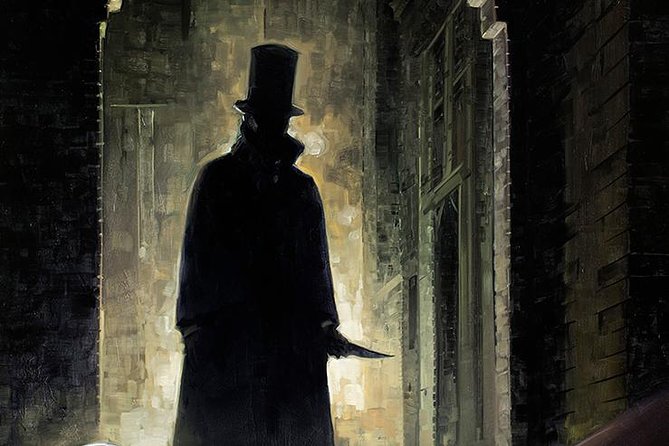
By the mid-20th century, the Ripper had become a cultural icon. His image evolved, sometimes portraying him as a mysterious gentleman or a member of the upper class.
Modern Investigations and Theories (21st Century)
Interest in the case continues into the modern era. Advances in forensic science have allowed researchers to revisit old evidence.
Some studies have attempted to identify the killer through DNA analysis, but results remain inconclusive. Debate continues among historians and experts, with new theories emerging regularly.
Legacy of Jack the Ripper (Enduring Impact)
Jack the Ripper remains one of the most famous unsolved cases in history. His crimes continue to fascinate the public and inspire research and storytelling.
The term “ripperology” was coined to describe the study of the case, and it remains a popular topic in true crime. Despite over a century of investigation, the identity of the killer remains unknown, ensuring that the mystery endures.